
 Mon–Fri: 10:00 – 18:00
  Request a call



B2B Website Development Services

B2B website development is a distinct discipline from generic web design or marketing-site templating. When a CMO at a Series A SaaS or a VP Marketing at a B2B enterprise brand evaluates a b2b web development company, the real question is whether the build will compound qualified pipeline 12 months after launch — not whether the homepage hero loads under 1.2 seconds in isolation. Our B2B website development services answer that question with audit-first scoping, modular UX patterns proven across B2B SaaS and Fintech sectors, and engineering practices that treat your CRM (HubSpot, Salesforce, Pipedrive) as a first-class production system rather than a plug-in afterthought.
Three structural realities separate B2B website development from B2C or generic agency work. First, the buying committee is plural: a Series A-C SaaS site has to satisfy a CFO scanning for pricing transparency, a Head of Engineering checking the docs, and a procurement lead opening a security PDF. Second, the analytics surface is dense: pipeline attribution requires UTM discipline wired into HubSpot or Salesforce contact records, GA4 server-side events, and a lead-routing webhook layer that survives content edits. Third, the SEO surface is technical: Core Web Vitals, structured data, hreflang for multi-region, and an editorial workflow that your in-house marketing team can run without re-engaging the agency for every page.
We have shipped this pattern for B2B SaaS DevTools, BaFin-regulated Fintech investor portals, and Mittelstand-adjacent industrial brands replatforming from legacy CMSes. The senior team you talk to in the audit call is the team that writes the React components and configures the headless CMS. No handoff to junior offshore implementation, no template-first scope inflation. If you are weighing a B2B web development services engagement against in-house hiring, see our Germany SEO programme for how the build composes with an organic growth motion after launch.
B2B web development services we ship in every engagement
B2B website development pricing — fixed-fee sprints in USD
- Discovery audit and prioritised backlog
- Information architecture and Figma design system
- Next.js or Astro front-end on Vercel
- Headless CMS setup (Sanity or Storyblok)
- HubSpot or Pipedrive form wiring
- Schema markup and Core Web Vitals pass
- Accessibility WCAG 2.2 AA audit
- 30-day post-launch SLA
- Everything in Foundation
- Multi-region content models and hreflang
- HubSpot or Salesforce full CRM wiring
- n8n orchestration for marketing automations
- Programmatic SEO framework for use-case pages
- Pricing page with deal-stage automation
- Customer-evidence layout with case-study modals
- 60-day post-launch SLA
- Everything in Growth
- Legacy CMS migration script (10k+ pages)
- 8-20 language pairs hreflang engineering
- Salesforce Financial Services Cloud or Marketing Cloud
- SSO via Auth0, Clerk, or SAML
- Partner portal or investor portal scaffolding
- Programmatic city or use-case page system
- 90-day post-launch SLA plus weekly office hours
Most of our B2B website development engagements ship on Next.js (App Router) or Astro, deployed to Vercel or Netlify. The Jamstack architecture decouples the editorial layer from the rendered front-end — meaning your marketing team edits in a headless CMS while the site is statically rendered or served as ISR, hitting sub-1-second LCP without aggressive client-side hydration. See our Jamstack development service for the engineering detail.
WordPress remains a valid B2B CMS when your editorial team is already trained on it. In that case we run WordPress headless: REST API or WPGraphQL feeding a Next.js front-end. You keep the editor experience, the front-end gets the performance and security profile of a modern Jamstack build. AI search visibility is wired into this same architecture — see our LLM SEO programme for how to surface in ChatGPT, Perplexity, and Google AI Overviews from the same content source.

Client projects with Search Console data
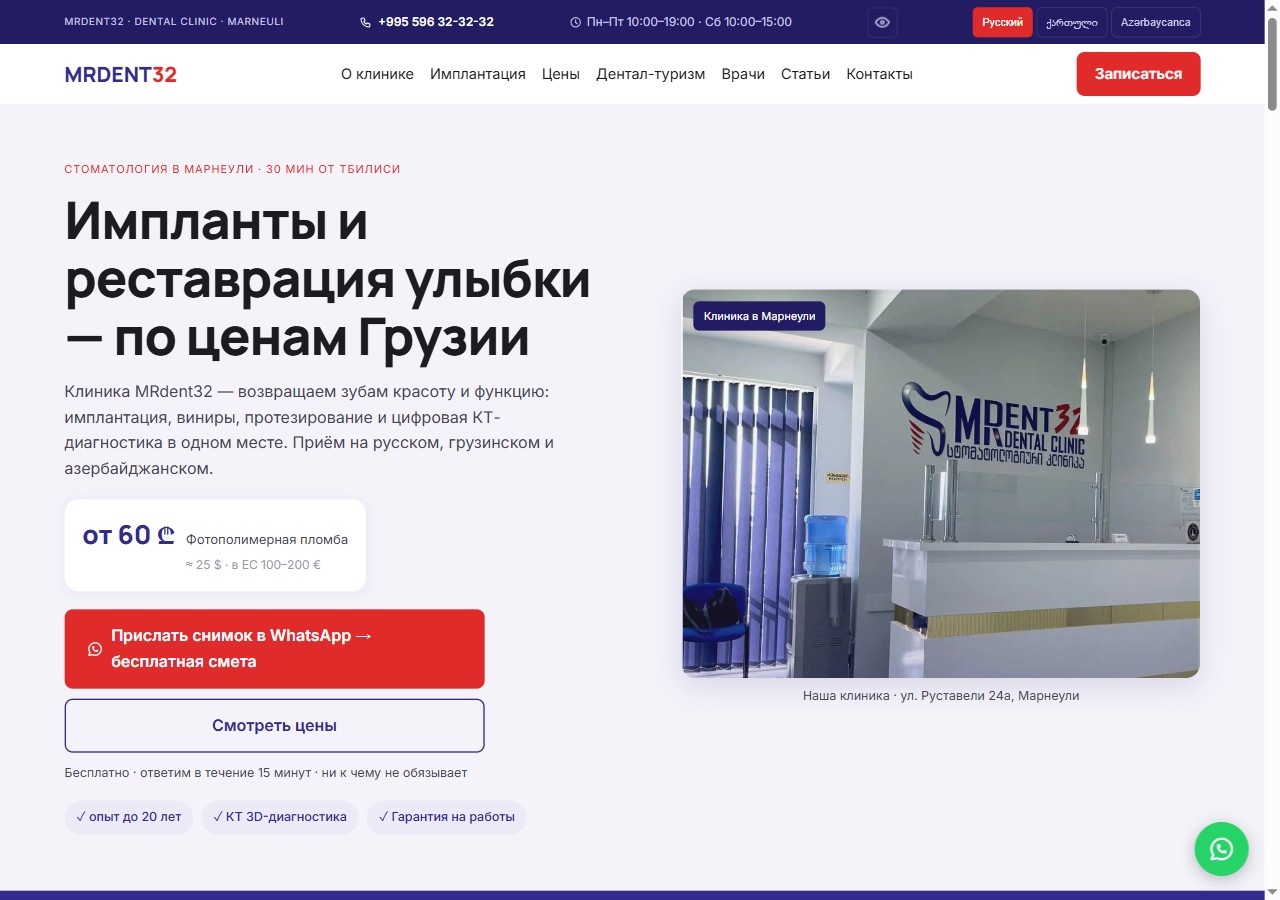
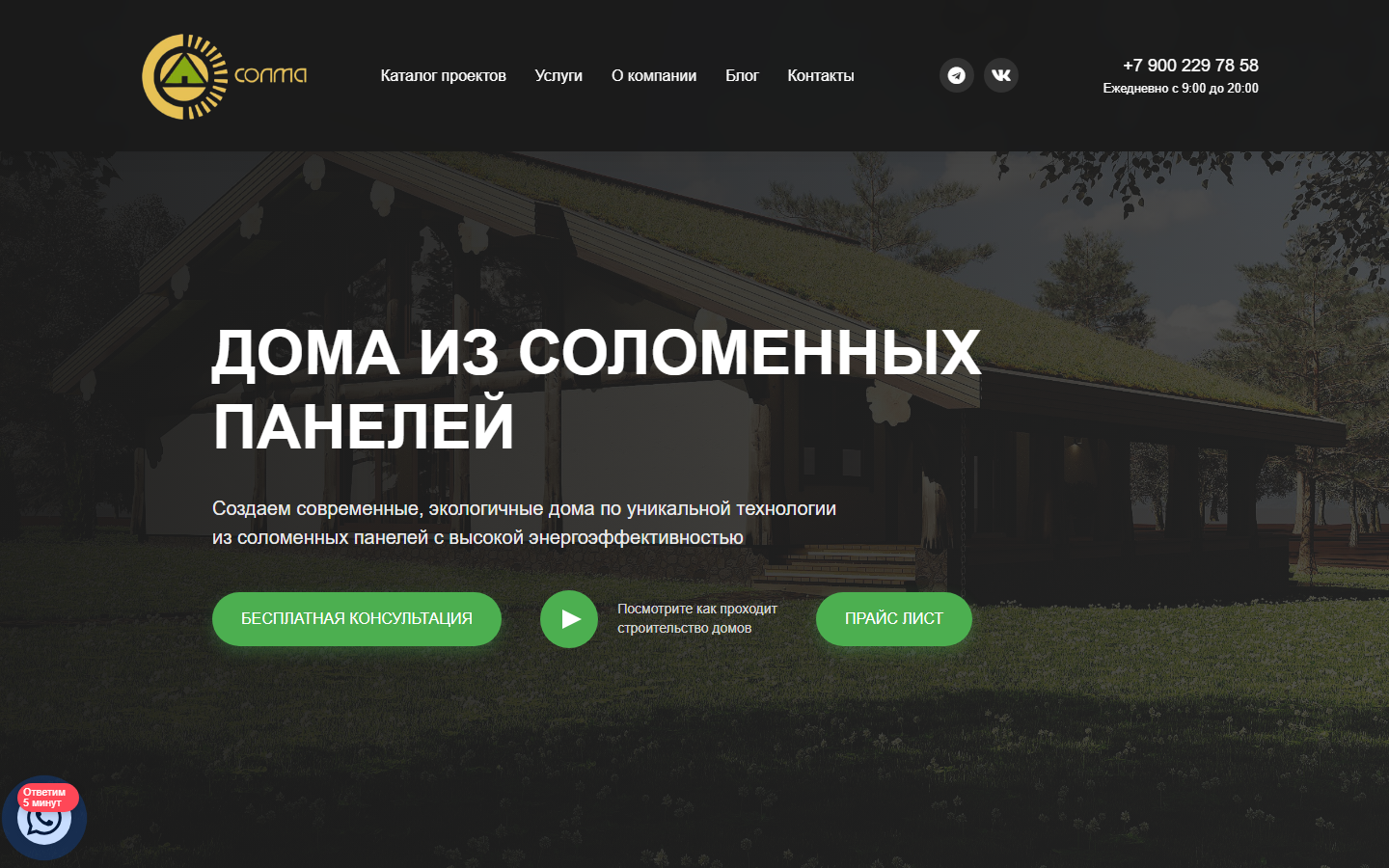
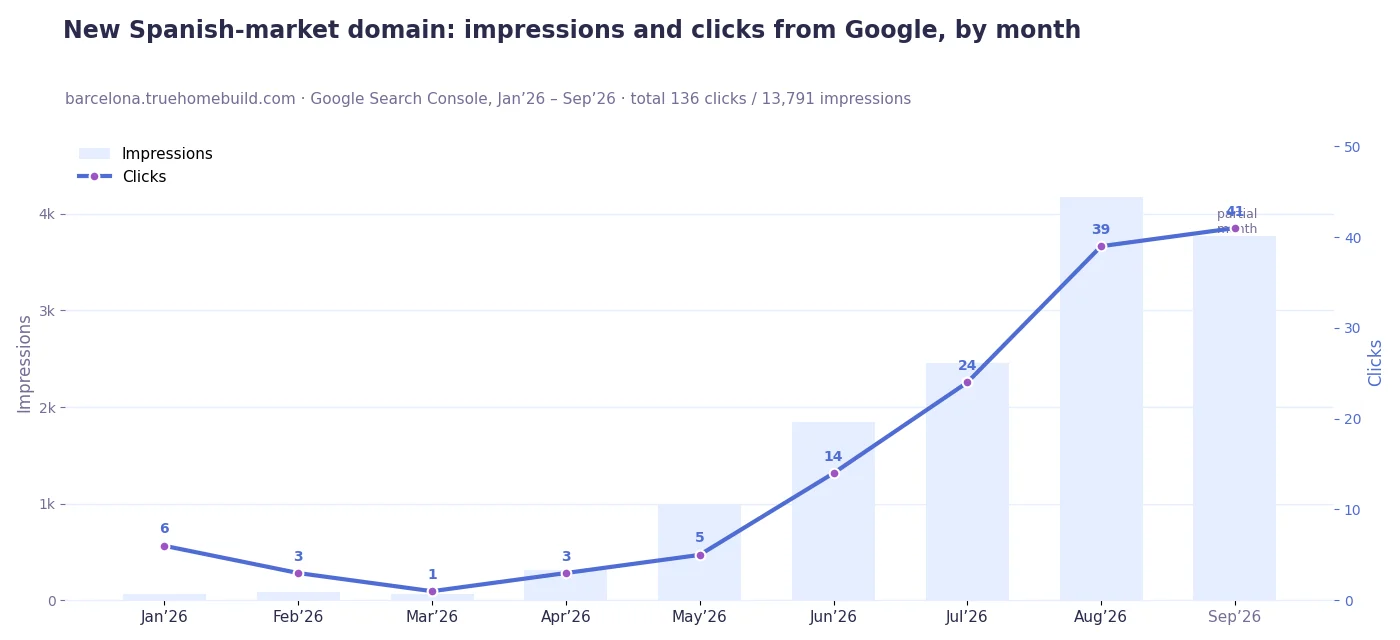
B2B website development for six B2B verticals
Who books a B2B website development sprint
B2B website development FAQ
B2B website development services build marketing sites and partner portals for B2B SaaS, Fintech, Enterprise, Manufacturing, Professional Services, and Healthtech brands. The discipline differs from generic web design in three ways: the buying committee is plural (CMO, VP Engineering, procurement), the CRM is a first-class production system rather than a plug-in, and the SEO surface is technical rather than copywriting-driven. A b2b web development company that does not wire HubSpot or Salesforce at the form and event level is shipping a brochure, not a B2B website.
Foundation sprints (single-region marketing site, 5-8 pages) ship in 6 weeks. Growth sprints (multi-region, CRM-integrated, 15-25 pages) also fit a 6-week cadence by running two parallel work-streams. Scale engagements (enterprise rebuild, 10k+ pages, 8-20 language pairs) typically run 12-14 weeks with a parallel migration track that keeps the legacy site live during cutover.
The default stack is Next.js (App Router) or Astro on the front end, deployed to Vercel or Netlify, with a headless CMS (Sanity, Contentful, Storyblok, or WordPress headless via REST API or WPGraphQL). CRM integrations target HubSpot, Salesforce, or Pipedrive. n8n or Zapier orchestrates the long-tail automations. We will recommend the stack that fits your team during the discovery audit rather than forcing a default.
Yes. WordPress remains a valid B2B CMS when your editorial team is already trained on it. In that case we run WordPress headless: REST API or WPGraphQL feeding a Next.js front-end. You keep the editor experience the team already knows, the front-end gets the performance and security profile of a modern Jamstack build.
CRM integrations are wired at three levels: form submission (HubSpot Forms API, Salesforce Web-to-Lead, or Pipedrive Webhooks), event level (GA4 server-side events synced to the contact record), and lifecycle stage (automated transitions based on engagement). UTM parameters persist to the contact record, lead routing follows territory or industry rules, and Slack notifications fire for the SDR team in real time.
Yes. We script the content migration, rebuild the editorial workflow in the new CMS, and run both stacks in parallel during a 6-12 week cutover. SEO equity is preserved through a redirect map validated against the live crawl. The legacy site stays production-facing until cutover day so your marketing team is never blocked.
Yes. Multi-region engineering is a standard part of Growth and Scale sprints. We configure hreflang at the page level, build regional content models in the headless CMS, set up editorial roles for native-language editors, and segment analytics by region. Common scopes: 3-5 EU markets (DE, FR, NL, ES, IT) for early-stage SaaS, 8-20 language pairs for enterprise rebuilds.
The team you talk to in the audit call is the team that writes the React components and configures the headless CMS. No handoff to junior offshore implementation, no account-manager intermediary. Senior engineers and senior designers run the engagement end to end. This is why we charge fixed-fee for 6-week sprints rather than time and materials — the scope is locked because the team that estimates it is the team that ships it.
Foundation sprints come with 30 days of post-launch SLA, Growth sprints with 60 days, and Scale engagements with 90 days plus weekly office hours. The SLA covers bug fixes, Core Web Vitals monitoring, CRM webhook health, and editorial workflow questions from your marketing team. After the SLA window we are available on retainer or per-sprint for ongoing work, but the goal is for your in-house team to own the system.
Book a free B2B website audit through the form below or by email. The audit call covers your current site, your CRM and analytics stack, your buying committee, your growth target, and the constraints on your in-house team. Deliverable within 5 working days: a prioritised backlog with effort and pipeline impact estimates, plus a sprint plan for the next 6 weeks. A b2b website development agency engagement starts the day you sign off the scope.
Related B2B services
Book a free B2B website development audit
B2B-Pipeline Website Development • deployed 260530-fij. Senior team reviews your current site across UX, technical SEO.
 Download brief
  Print brief
Choose the most convenient way to contact us: