
 Mon–Fri: 10:00 – 18:00
  Request a call



Case Studies — Real SEO and Automation Results
Real client work with verifiable Google Search Console data. Every number on these pages can be checked independently — we name the domains so the reader can validate the results.
Cases are grouped by the type of challenge: local services SEO, multi-language European SEO, high-volume content marketing SEO, B2B SaaS SEO, ecommerce SEO and process automation. Each one walks through the situation before we started, what we did and what the numbers looked like at 90 days, six months and beyond.
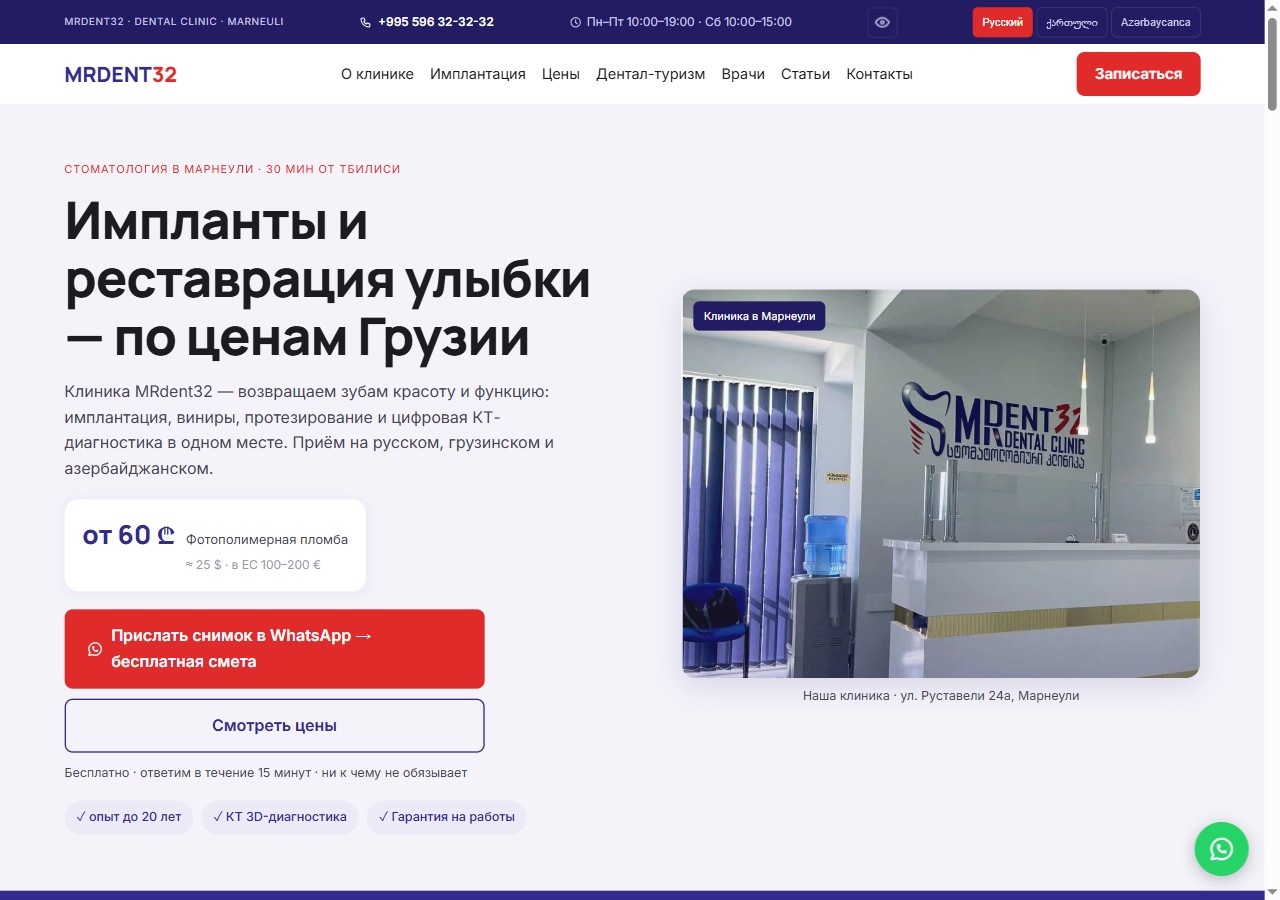
Dental clinic / healthcare · Website + SEO architecture
Case study: dental clinic website, from Google page three to page one
6 → 56queries in Google top 10
7.6×impressions per week: 71 → 537
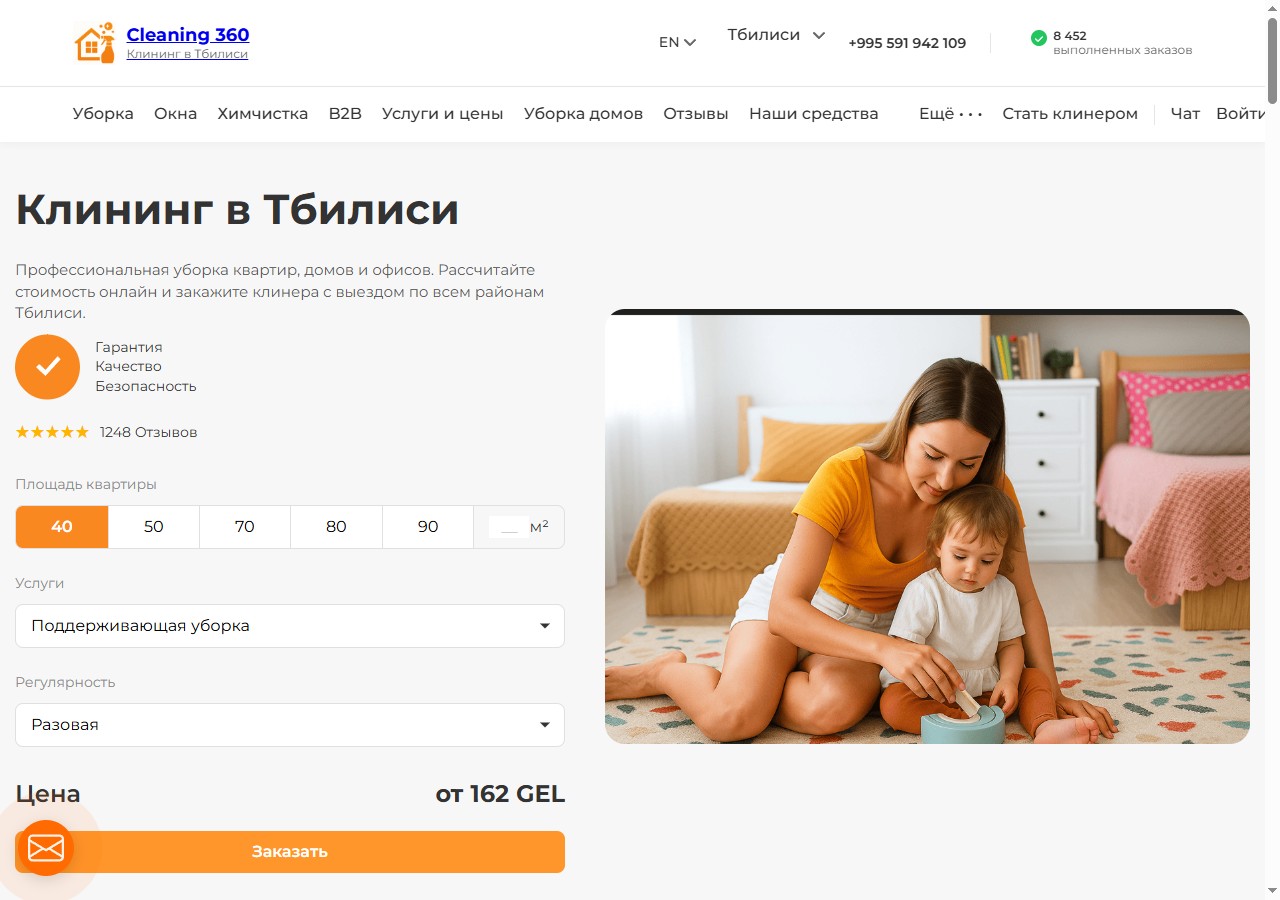
Cleaning services · Local SEO
Case Study: How a Tbilisi Cleaning Company Reached Top-3 in Google
25×monthly clicks from Google (8 → 199)
top-3core commercial queries in Tbilisi
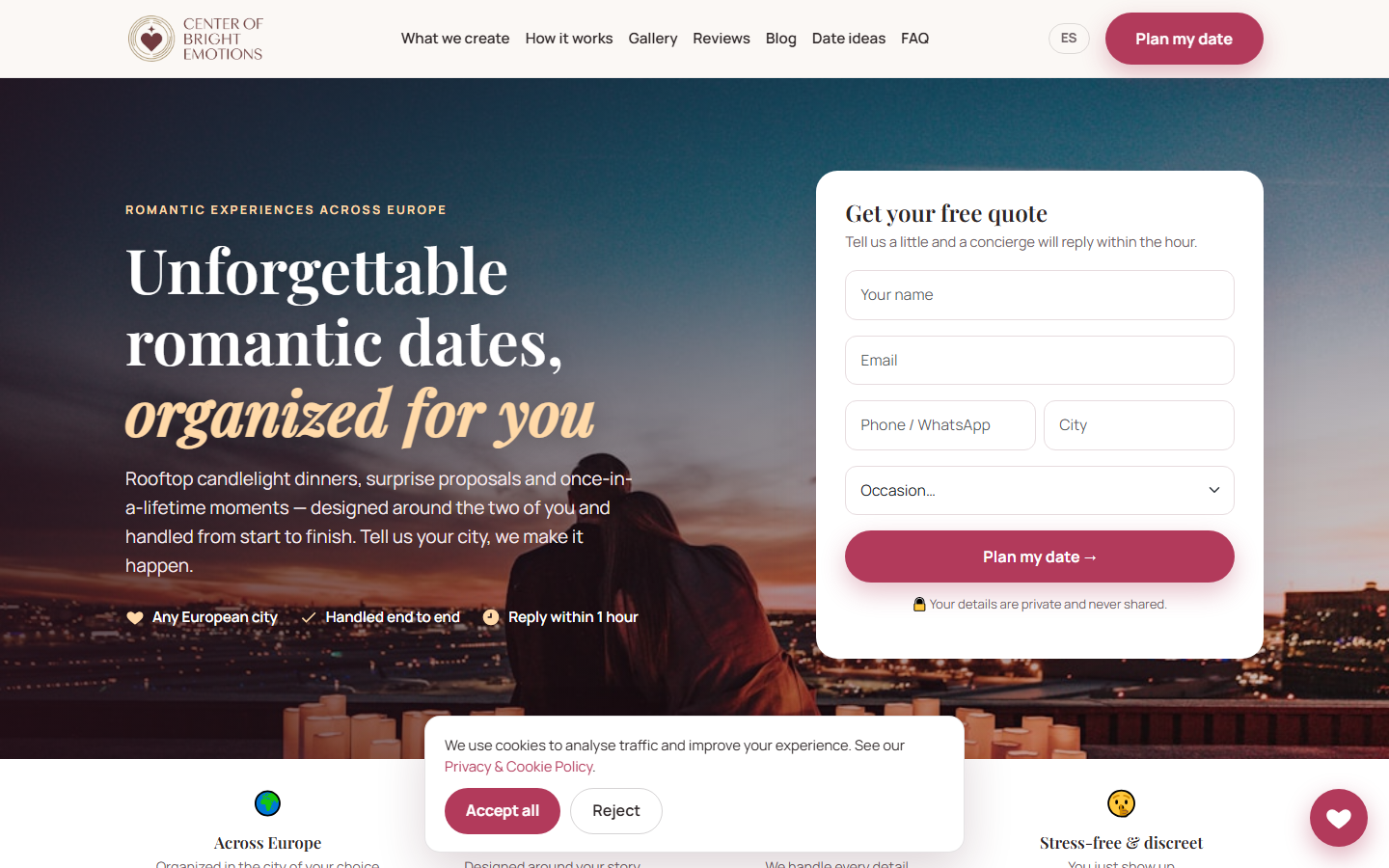
Event organization / lifestyle · Website + SEO architecture
Case Study: A Romantic-Events Platform Built to Rank
619organic clicks in year one
102queries in Google top 10
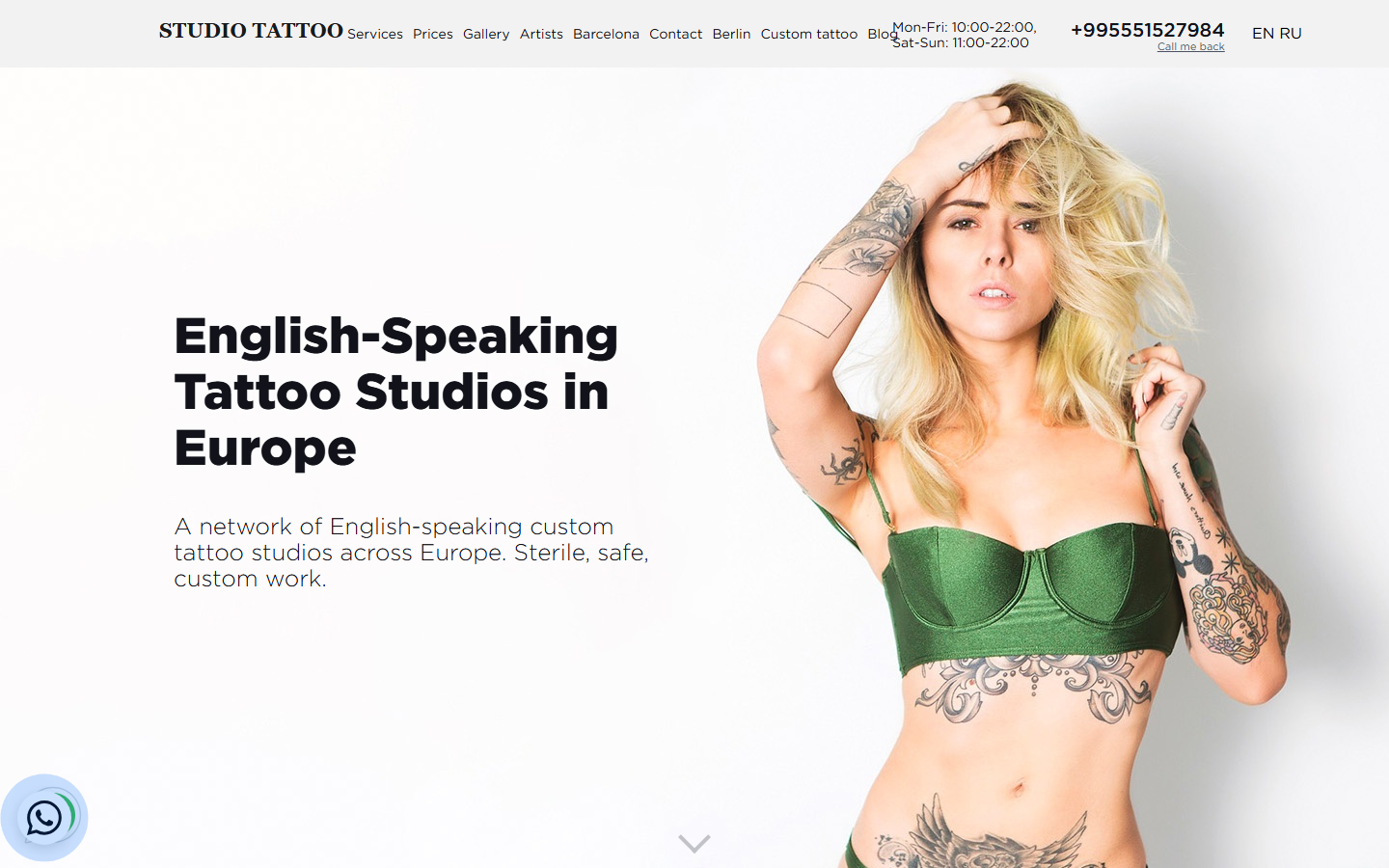
Tattoo studio / beauty · SEO migration
Case Study: SEO Migration of a Tattoo Studio With Zero Ranking Loss
14.6×monthly impressions: 794 → 11,593
Construction / eco-homes · Website build + SEO
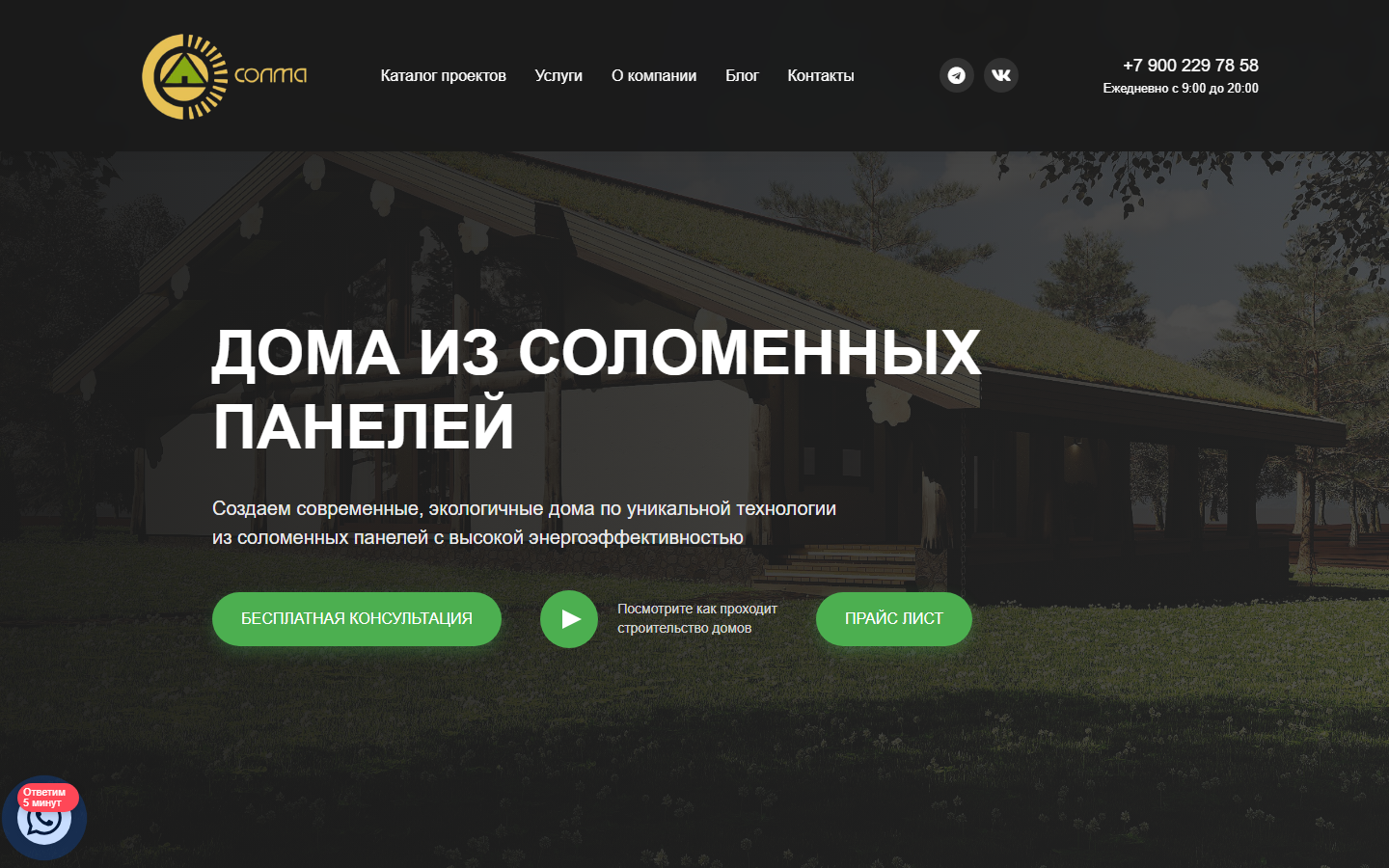
Case Study: Website and SEO for a Construction Company
13×Google clicks growth / quarter
40queries in Google top-10
320,580
E-commerce / gifts · Content marketing + SEO
Scale Case Study: 320,000 Organic Impressions per Quarter (Strawberry-Bouquet E-Commerce)
320,580organic impressions / 90 days
5,993organic clicks / 90 days
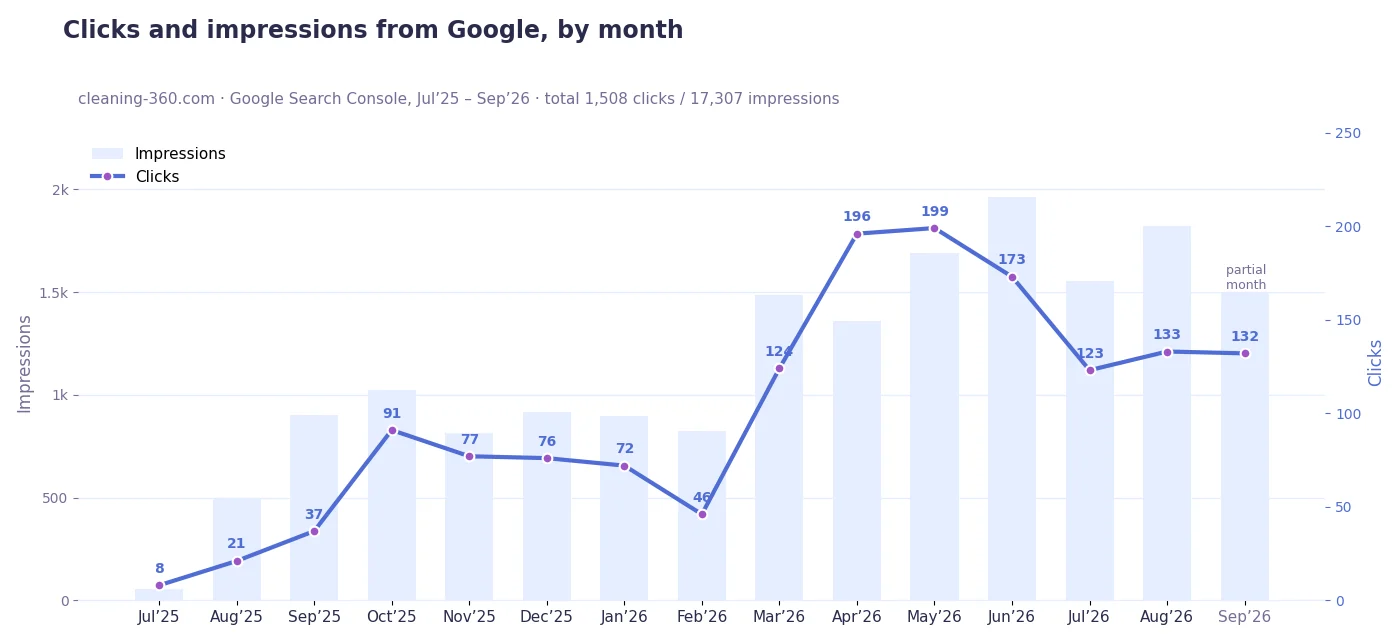
Local Services SEO Case Study: Cleaning-360.com Reaching Top-3 in Tbilisi
Read case →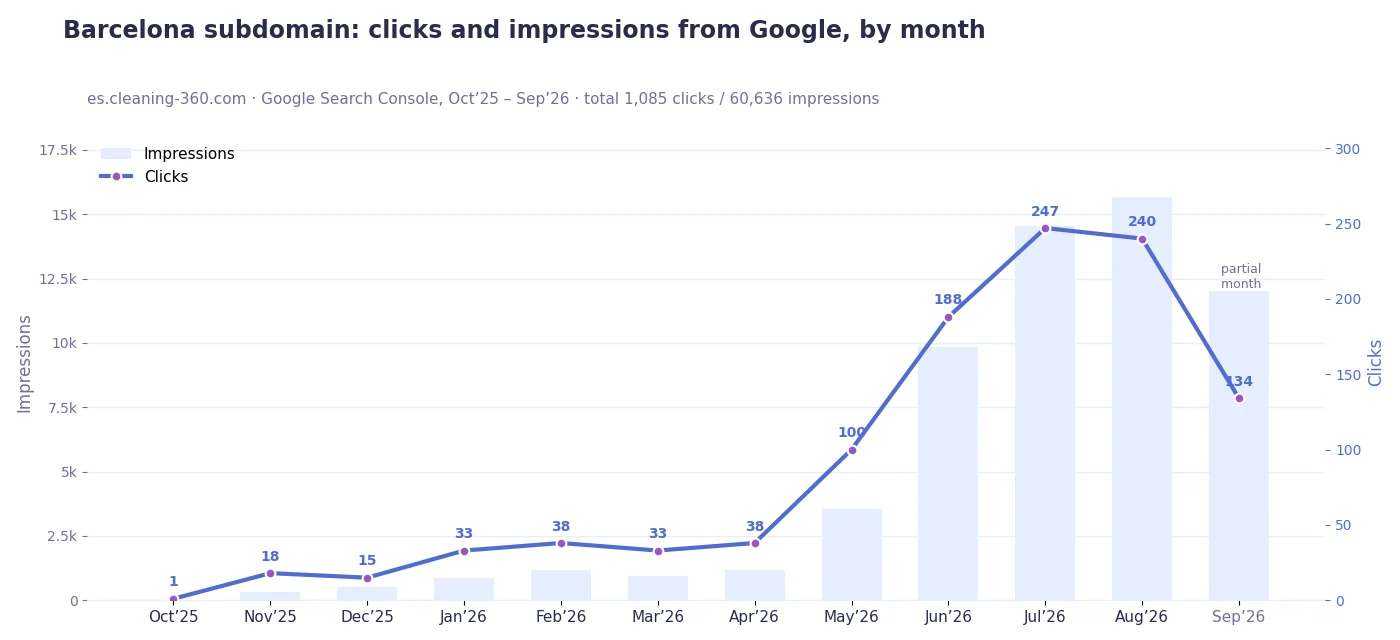
Multi-language SEO Case Study: 3-Language European Expansion to Barcelona
Read case →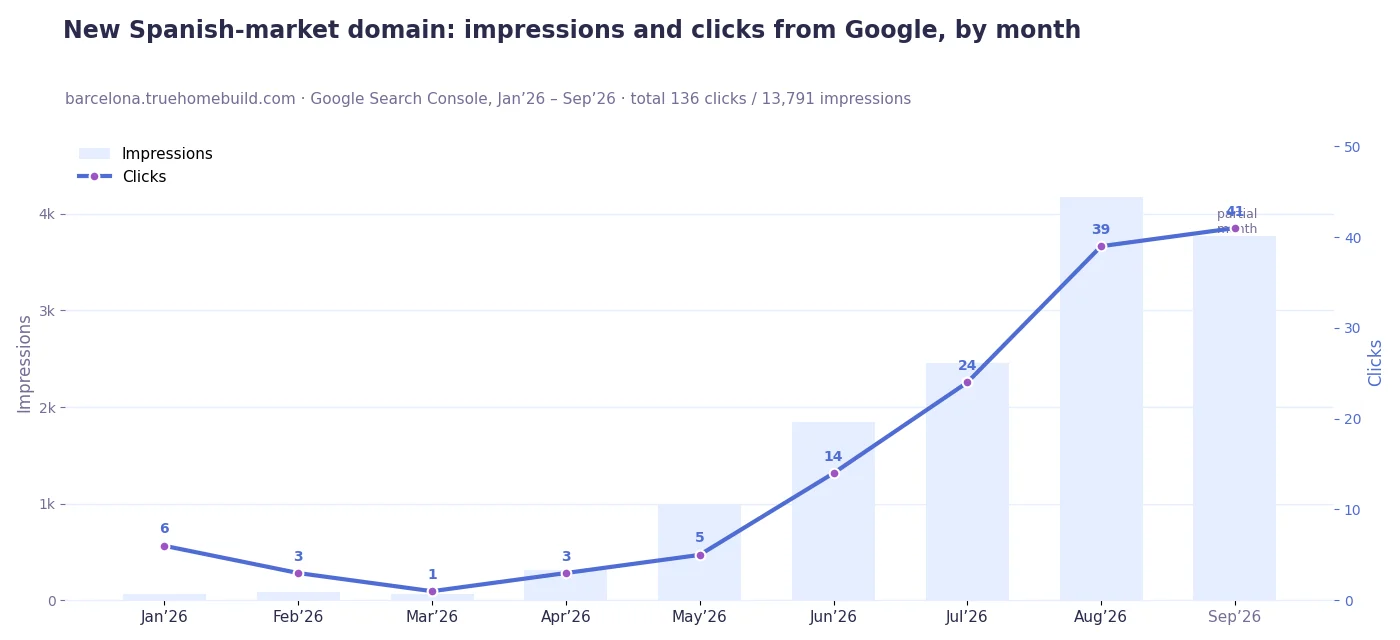
Foreign-Market SEO Case Study: Native Catalan + Spanish for a Russian-Speaking Construction Brand
Read case →Want results like this?
Free audit: we'll look at your specific situation and tell you what's realistic and what isn't.
 Download brief
  Print brief
Choose the most convenient way to contact us: